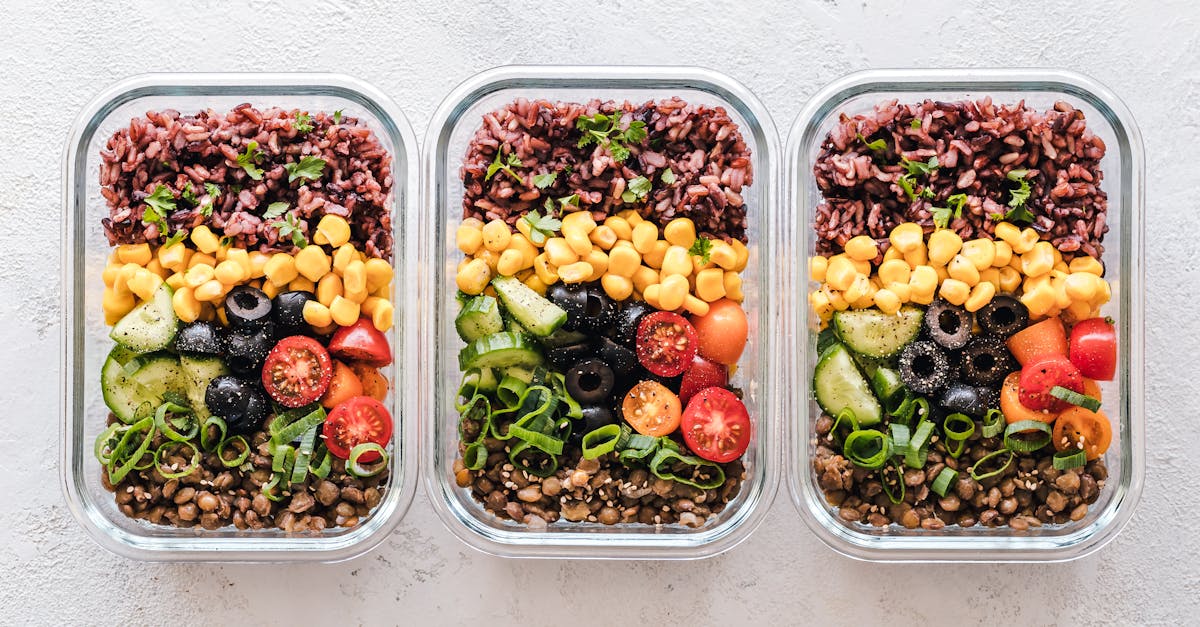
Why Most Meal Preps Fail You (And What Actually Works for Sustainable Eating)
I remember my first foray into meal prepping. It was a Sunday afternoon, and I was armed with a Pinterest board full of perfectly portioned chicken and broccoli, gleaming glass containers, and an almost evangelical zeal. Six hours later, my kitchen was a disaster, I had enough food to feed a small army for a week, and by Wednesday, I was utterly sick of eating the same thing. Sound familiar? Many people jump into meal prep with the best intentions, hoping to save time, money, and eat healthier, only to crash and burn within a few weeks.
The truth is, the popular image of meal prep – cooking all your week’s meals in one marathon session – is often unsustainable and sets most people up for failure. It’s too rigid, too time-consuming, and frankly, too boring. In my experience, the biggest mistake people make is trying to replicate an Instagram-perfect system that doesn’t account for real-life cravings, fluctuating schedules, or the simple desire for variety. What changed everything for me was realizing that meal prep isn’t about perfectly identical containers; it’s about strategic preparation that supports your lifestyle, not dictates it.
Key Takeaways
- Traditional ‘cook everything at once’ meal prep often leads to food fatigue and waste due to its rigidity.
- Focus on prepping components rather than entire meals to allow for daily flexibility and variety.
- Strategic pantry stocking and a flexible weekly framework are more effective than strict daily menus.
- Embrace ‘mini-preps’ throughout the week to reduce Sunday overwhelm and keep ingredients fresh.
The Rigidity Trap: Why ‘Cook Everything At Once’ Backfires
The most common approach to meal prep involves dedicating a significant chunk of your Sunday to cooking all your breakfasts, lunches, and dinners for the upcoming week. While this sounds efficient on paper, it quickly becomes a rigidity trap. First, it assumes you’ll want the exact same meal for lunch for five straight days. In my experience, by day three, even my favorite chicken and roasted veggie combo feels like a chore. This leads to food fatigue, where you’re so bored of your prepped meals that you either toss them or succumb to ordering takeout, negating the entire purpose of prepping.
Secondly, this method doesn’t account for spontaneity. A last-minute dinner invitation, a sudden craving for something different, or even a change in your workout schedule can throw your meticulously planned week into disarray. Suddenly, you have prepped food going bad in the fridge, creating guilt and contributing to food waste. I’ve personally seen weeks where I’ve thrown out entire containers of perfectly good food because my plans changed or I just couldn’t stomach another identical portion. The solution isn’t to abandon prep altogether, but to shift from meal prepping to component prepping.
The Component Prep Revolution: Flexibility is Your Friend
What truly transformed my approach to healthy eating was moving away from full meal prep and embracing component prep. Instead of assembling five identical lunches, I now prep individual elements that can be mixed and matched throughout the week. Think of it like a choose-your-own-adventure for your meals.
Here’s what this looks like in practice: On Sunday, I might roast a large tray of mixed vegetables (broccoli, bell peppers, sweet potatoes), cook a big batch of grains (quinoa or brown rice), and bake or grill a couple of different protein sources (chicken breast, hard-boiled eggs, or lentils). I might also wash and chop a variety of greens and make a simple vinaigrette. These are stored separately. During the week, I can then combine them in endless ways: a salad with chicken and quinoa, a rice bowl with roasted veggies and a fried egg, or even a quick stir-fry using the pre-cooked components. This approach significantly reduces food boredom and allows me to adapt my meals based on my mood or schedule. I estimate this strategy has cut my food waste by about 70% compared to my old full-meal prep days.
Strategic Pantry Stocking: Your Secret Weapon for Quick Meals
Many people focus solely on fresh ingredients for meal prep, overlooking the power of a well-stocked pantry. In my experience, having a strategic array of shelf-stable and freezer-friendly items on hand is just as, if not more, important than your Sunday cooking session. These items act as your meal-time safety net, allowing you to whip up a nutritious meal even when your fresh prep is running low or you’re short on time.
I always keep staples like canned beans, lentils, crushed tomatoes, pasta, rice, and a variety of whole grains. In the freezer, I stock frozen vegetables (peas, corn, spinach, mixed veggies), shrimp, and sometimes a pre-portioned batch of ground meat or fish. Imagine this scenario: it’s Thursday evening, your prepped chicken is gone, and you’re tired. Instead of ordering takeout, you can quickly make a pasta dish with canned tomatoes and frozen spinach, or a quick bean salad with some pre-chopped veggies. This isn’t about elaborate cooking; it’s about having the building blocks readily available to create a healthy meal in 15-20 minutes. It’s about reducing the friction between hunger and a home-cooked meal.
The ‘Mini-Prep’ Mindset: Spreading the Effort, Minimizing Waste
One of the biggest deterrents to traditional meal prep is the sheer time commitment on a single day. Spending 4-6 hours in the kitchen every Sunday can feel like another chore, leading to burnout. This is where the ‘mini-prep’ mindset comes in. Instead of one massive session, I now spread smaller, more manageable prep tasks throughout the week. This not only makes the process less daunting but also ensures ingredients are fresher for longer.
For instance, on Sunday, I might just focus on cooking grains and one protein. On Tuesday, while making dinner, I might quickly chop vegetables for the next day’s salad or hard-boil a few eggs. If I buy a bunch of kale, I wash and chop it immediately after grocery shopping so it’s ready to grab. This distributed effort reduces the feeling of being overwhelmed and keeps the kitchen clean in smaller increments. The key here is integrating prep into your existing routine rather than cordoning it off as a separate, enormous task. It’s about small, consistent efforts that add up, much like any successful habit.
The Weekly Framework, Not a Daily Menu
Instead of a rigid daily menu, I now operate with a flexible weekly framework. This means I have a general idea of what I want to eat, but I don’t assign specific meals to specific days. My framework looks something like this: 2-3 grain-based meals, 2-3 salad/veggie-heavy meals, and 1-2 ‘flex’ meals that might incorporate leftovers or a quick pantry creation. This gives me structure without suffocating spontaneity.
For example, I might know I want to use up my prepped quinoa and roasted veggies. One day it might become a warm bowl with a fried egg; another day, I might turn it into a cold salad with feta and olives. The flexibility allows me to adjust based on what I crave, who I’m eating with, or how much time I have. This framework significantly reduces decision fatigue during busy weekdays. I’m not wondering ‘What’s for dinner?’ but rather ‘What combination of my prepped components sounds good tonight?’ This shift has made healthy eating feel less like a chore and more like a creative, enjoyable process.
Frequently Asked Questions
How much time should I realistically spend on meal prep each week?
Forget the 4-6 hour marathon. Aim for 60-90 minutes of dedicated component prep on one day (like Sunday), and then integrate 10-15 minute ‘mini-preps’ throughout the week as needed. This distributed effort is far more sustainable and less overwhelming.
What are the best foods to component prep that last well?
Hardier items work best. For proteins: cooked chicken breast (shredded or diced), hard-boiled eggs, cooked lentils or beans, roasted tofu. For grains: quinoa, brown rice, farro. For vegetables: roasted root vegetables (sweet potatoes, carrots), chopped bell peppers, cucumbers, washed and dried leafy greens (store with a paper towel). Avoid delicate items that wilt quickly.
How do I prevent food boredom with component prep?
Variety is key! Prep 2-3 different proteins, 2-3 different vegetable types, and 1-2 different grains each week. Also, focus on sauces and dressings – having a few options (tahini dressing, salsa, vinaigrette) can completely transform the flavor profile of the same base ingredients.
What if I don’t like leftovers after 1-2 days?
This is where component prep truly shines. If you’re tired of something, transform it! Leftover roasted chicken can become chicken salad, a stir-fry, or a quesadilla filling. Leftover rice can be made into fried rice or added to soup. By keeping components separate, you can recombine and reinterpret them, avoiding the ‘same meal’ fatigue.
Is it really cheaper to meal prep, or does food waste cancel out savings?
When done strategically (like component prepping), it is significantly cheaper. By planning and using versatile ingredients, you reduce impulsive takeout purchases and minimize food waste. My grocery bill dropped by approximately 25-30% once I adopted component prepping because I was actually using what I bought, and rarely resorted to expensive last-minute options.
Embracing flexibility, strategic component prep, and a mini-prep mindset has revolutionized my relationship with food. No longer do I dread Sunday kitchen marathons or suffer through five days of identical meals. Instead, I enjoy a diverse, healthy diet that genuinely supports my busy life. Start by picking just one or two components to prep this week – maybe a batch of quinoa and some roasted vegetables – and see how much difference a little flexibility makes. You might just find that sustainable eating is far more enjoyable than you ever imagined.
Written by Chloe Davis
Home & Practical Living
An avid gardener and home-improvement enthusiast, Chloe specializes in practical solutions for home living and sustainable practices.
You Might Also Like

Why You Can't Find Time to Meditate (And What Actually Works for Real Calm)
Struggling to fit meditation into your busy life? Discover why traditional approaches fail and unlock practical strategies for lasting calm.

The Hidden Cost of Generic Health Advice That Nobody Talks About (And What Actually Works for Real Well-being)
Generic health advice often misses the mark. Discover why 'eat healthy' isn't enough and how personalized strategies actually work.

The Hidden Cost of Emotional Eating (And How I Finally Broke Free)
Emotional eating drains more than just your waistline. Discover the hidden costs and learn actionable strategies to break free.